Thinking about selling in Kirkland and want to come out strong? Today’s market rewards homes that are priced with precision and presented with care. Buyers have more options than they did a few years ago, and they compare closely. In this guide, you’ll get a simple, local roadmap to prep, price, and present your home so you attract serious offers without wasting time or money. Let’s dive in.
Kirkland market now
Kirkland’s median sale price recently hovered around $1,130,000, with typical days on market near 49 and a sale-to-list ratio around 96.7%, based on early 2026 snapshots from major portals. Zillow’s late 2025 overview placed the typical home value near $1.21M with time to pending around the low 40s in days. Countywide, the Northwest MLS reported that King County’s active inventory rose roughly 20 to 25 percent year over year in January 2026, signaling more choices for buyers and a need for disciplined pricing for sellers. The NWMLS report notes prices remain well above state medians, but conditions vary by neighborhood and price tier.
What this means for you: crisp pricing and standout presentation matter. You want clean condition, neutral finishes where needed, strong curb appeal, strategic staging, and pro photography. A neighborhood-level comparative market analysis helps you target the right list price and prep plan for your part of Kirkland.
Quick Kirkland seller checklist
- Get a neighborhood CMA and pricing strategy from a local agent.
- Complete Washington’s seller disclosure Form 17 on time; review RCW 64.06 for requirements.
- Check City of Kirkland permits before you start repairs or upgrades.
- If your home was built before 1978, prepare the federal lead-based paint pamphlet and disclosure. See this summary of EPA/HUD rules.
- Consider a pre-listing inspection to reduce surprises.
- Prioritize high-ROI updates using Cost vs Value guidance.
- Declutter, deep clean, and stage key spaces; use NAR and RESA benchmarks to plan scope and budget.
- Book professional photography and a floor plan, and consider a 3D tour for higher-tier listings.
- Align your launch plan: full MLS exposure or a brief private pre-launch if recommended.
- If helpful, explore Compass Concierge to fund staging and updates with payment at closing.
Plan your timing
If you can, give yourself 6 to 8 weeks from first planning to go-live. That allows time for quotes, permits if needed, light updates, and polished marketing. In a rising inventory environment like King County’s, launching complete and camera-ready helps you compete from day one. Use your CMA and the NWMLS market context to time your debut.
Prioritize the right projects
Start with safety and known defects. Fix active leaks, electrical hazards, and failing systems first. These items can prompt buyer walkaways or expensive renegotiations, so addressing them early protects your bottom line.
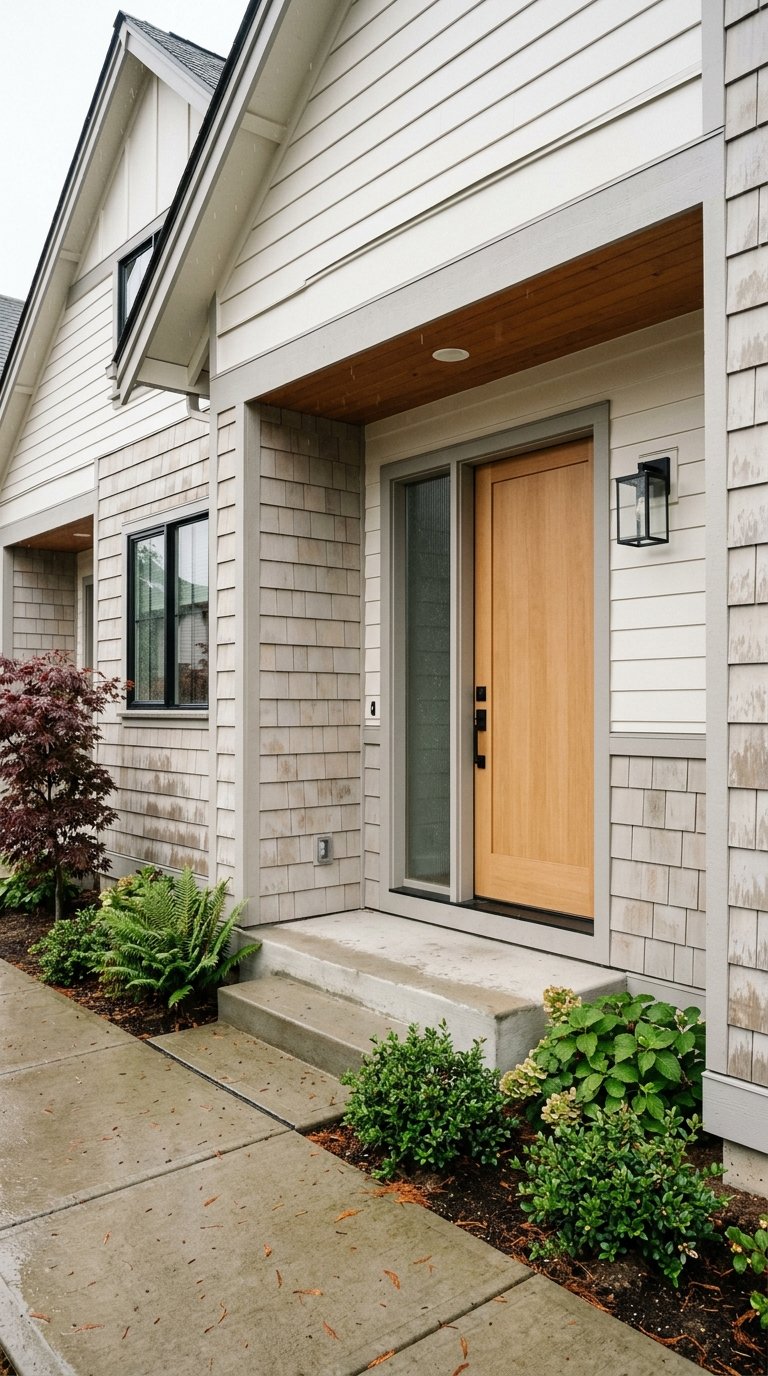
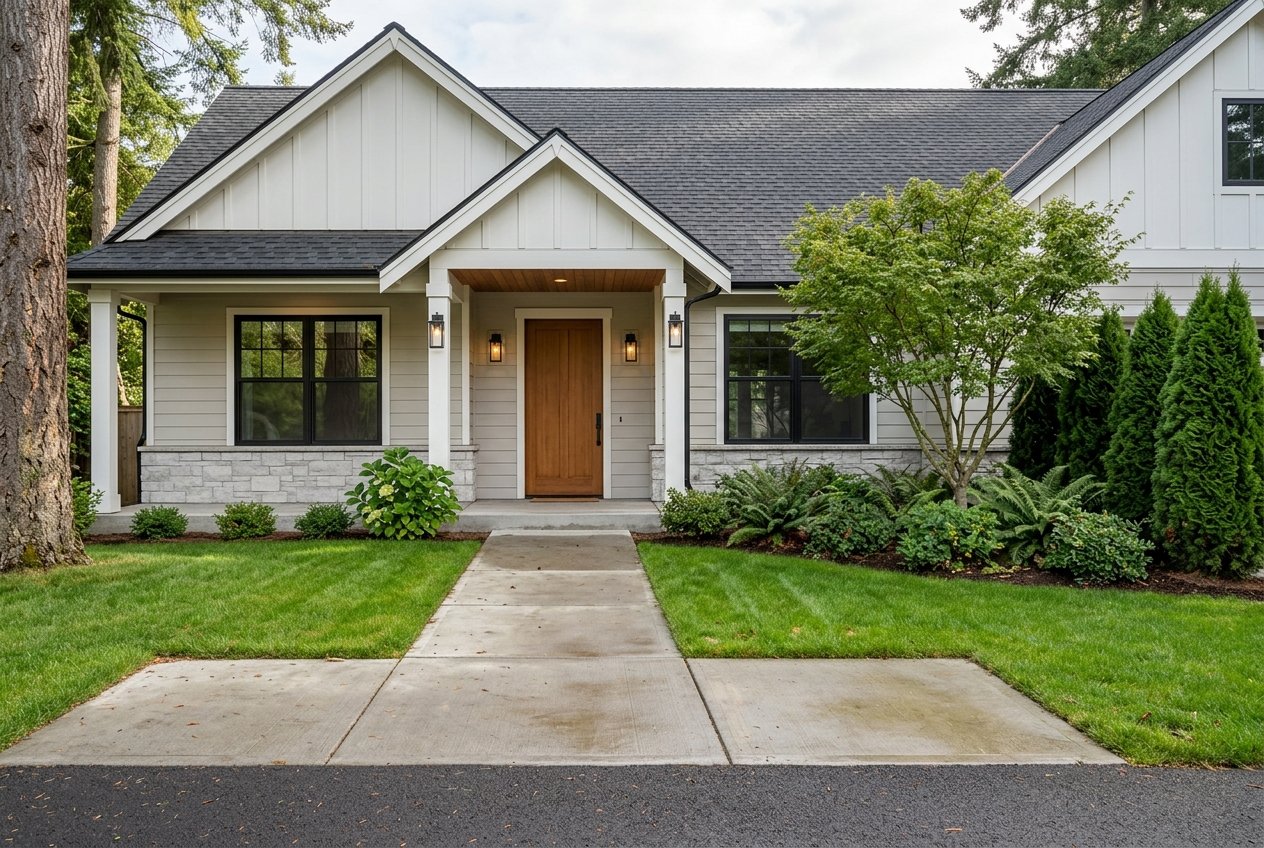
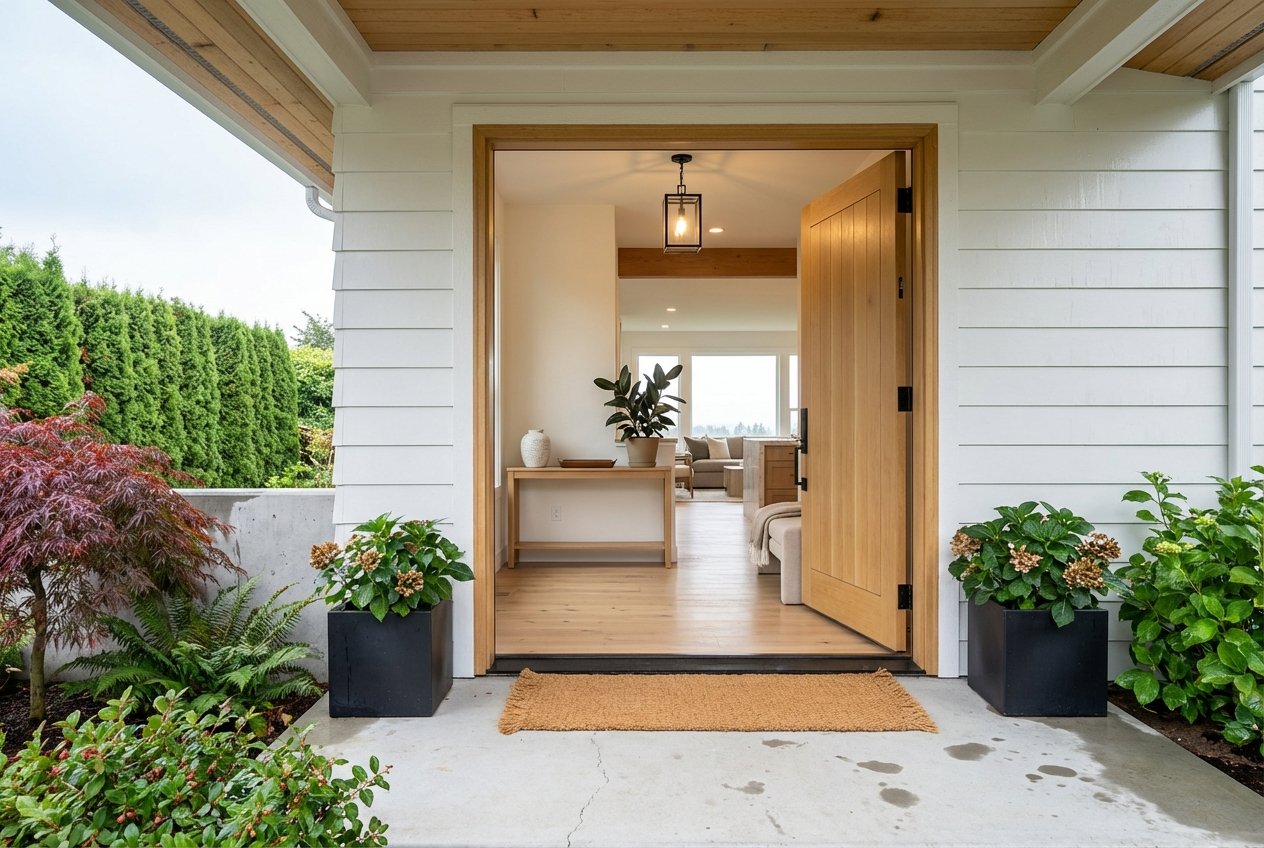
Next, elevate curb appeal and easy wins. Fresh mulch, trimmed hedges, a tuned-up lawn, clean pathways, and a pressure-washed drive make a strong first impression in photos and at showings. A new garage door or refreshed entry can punch above its cost.
Then target strategic cosmetics. National and regional Cost vs Value benchmarks show modest projects often recoup a high share of their cost, like garage door replacement, an updated steel entry door, minor kitchen refreshes, and midrange bath updates. In Kirkland’s market, neutral interior paint, updated lighting, refinished hardwoods, and refreshed hardware are common high-impact choices.
Finally, amplify with staging and photography. These are your force multipliers. In a market where buyers scroll before they tour, presentation can shift outcomes.
Staging that sells
Data supports what you feel when you walk into a well-presented home. The National Association of REALTORS reports that 81 percent of buyers’ agents say staging makes it easier for buyers to visualize a property, and 48 percent of sellers’ agents say staging reduces time on market. Median reported spends in the survey were around $600 when hiring a stager and $400 when the listing agent handled staging. Review the NAR staging findings for context.
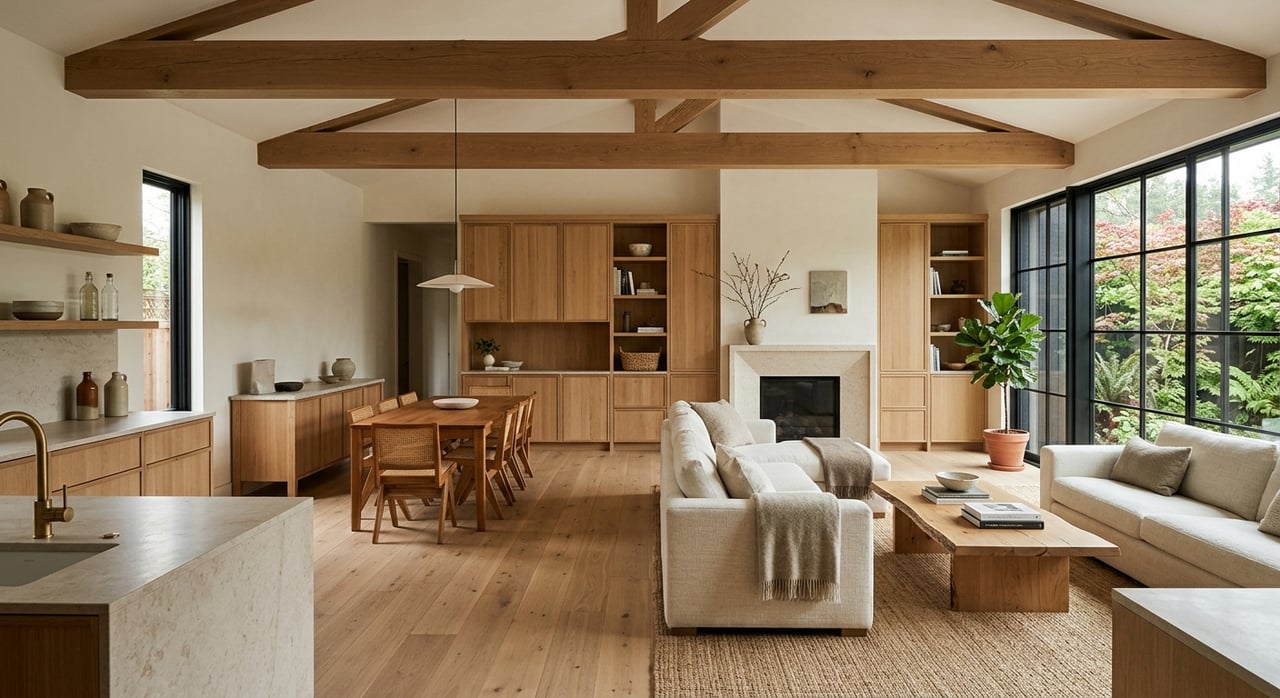
Focus on the living room, kitchen, and primary bedroom. These rooms anchor buyer perception and your listing photos. If the home is vacant, staging the main areas can prevent rooms from looking smaller or colder online. The Real Estate Staging Association notes that vacant staging is typically more expensive than occupied consults, so request local quotes to align scope with your budget.
Pro tip: keep decor neutral and edited. You want light, space, and function to shine through, not personal items or bold colors.
Photos, floor plans, and media
Quality photos are non-negotiable. Book a daylight shoot and consider an evening set for exterior ambiance if your home presents well at dusk. Add a measured floor plan so online buyers can understand flow and size before they tour. For larger or luxury listings, a 3D tour can widen the buyer pool, especially for relocating professionals who may view remotely.
Your media should publish only after prep and staging are complete. Early images of half-finished rooms can dampen momentum and are hard to undo.
Pricing and launch strategy
Use neighborhood-level comps to set a list price that attracts the right buyers in week one. In parts of Kirkland, days on market and sale-to-list ratios can vary by micro-market and price band, so lean on a local CMA rather than citywide averages. If your agent recommends it, you can test the waters with a short private pre-launch before going fully live, then pivot based on early feedback.
Once active, monitor showings and signals closely. If interest or feedback misses expectations in the first 10 to 14 days, be ready to adjust presentation or price. In a market with more choices, responsiveness wins.
Compliance must-dos in Washington
- Seller disclosure: Complete and deliver Washington’s Form 17 within the statutory timeframe. Buyers have limited rescission rights tied to delivery. Review the statute at RCW 64.06 and coordinate timing with your agent.
- Lead-based paint: For homes built before 1978, federal law requires you to share the EPA/HUD lead pamphlet and disclose known information. Buyers typically have a short testing window. See this lead disclosure summary for an overview.
- Local permits: Many structural, electrical, plumbing, and exterior projects require City of Kirkland permits. Waterfront or shoreline work may involve additional rules. Always check with the City of Kirkland permit center early to avoid delays.
How Compass Concierge can help
If you want to stage and update without paying upfront, Compass Concierge can front or arrange payment for eligible services like paint, flooring, select repairs, landscaping, cleaning, and staging. Repayment is typically due at closing, which lets you prioritize what will move the needle without straining cash flow.
Terms can vary by state and by underwriting. Depending on your location, fees or interest may apply, and budget caps differ. Confirm exact terms, fees, caps, and timing with your Compass agent so you can align the scope with your goals and expected return.
Sample 6–8 week plan
- Weeks 8–6: Interview agents, order a CMA, and choose your strategy. Identify any permit needs and decide whether to use Concierge.
- Weeks 6–4: Consider a pre-listing inspection. Apply for permits if needed. Collect bids and finalize your repair and update list.
- Weeks 4–2: Complete permitted repairs and targeted updates. Start staging planning and light decor purchases or rentals.
- Week 1: Deep clean. Install final staging touches. Shoot professional photos, plus a floor plan and optional 3D tour.
- Launch week: Go live across MLS and major portals through your brokerage’s distribution. Track showings and feedback and be ready to optimize quickly.
Selling well in Kirkland means meeting the market with the right price, polished condition, and standout marketing from day one. If you want a customized, data-backed plan and hands-on project management, connect with Carla Marsh to request a complimentary home valuation or schedule a consultation.
FAQs
What should Kirkland sellers fix before listing?
- Tackle safety and system issues first, like active leaks and electrical hazards, then focus on curb appeal and cosmetic updates that show well in photos and tours.
How much does staging help in Kirkland?
- NAR reports most buyers’ agents say staging improves visualization and nearly half of sellers’ agents see shorter market times, especially when staging key rooms.
Do I need permits for pre-sale repairs in Kirkland?
- Many structural, electrical, plumbing, and exterior projects require City of Kirkland permits, so check with the permit center before scheduling work.
What disclosures are required for Washington home sales?
- You must provide the Form 17 seller disclosure on time, and if the home was built before 1978, deliver the federal lead-based paint pamphlet and disclosures.
How does Compass Concierge work for sellers?
- Concierge can front or arrange payment for eligible prep services with repayment at closing, subject to program terms; confirm fees, caps, and timing with your agent.