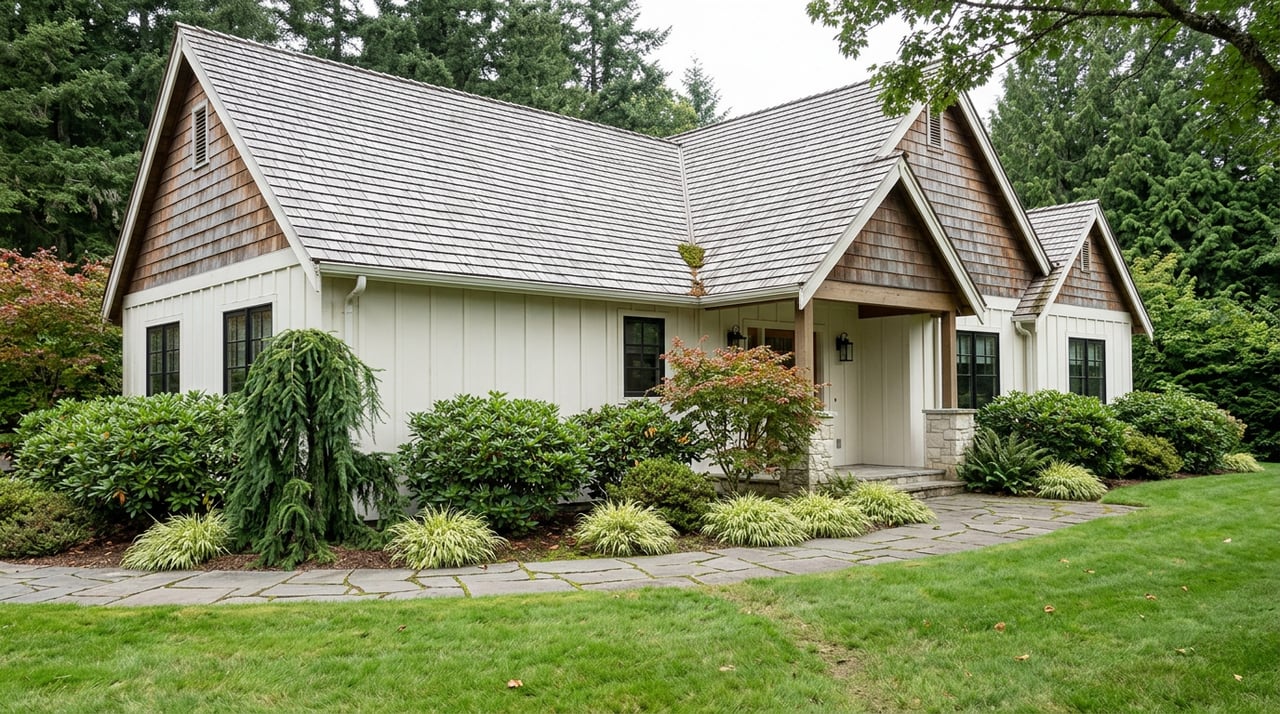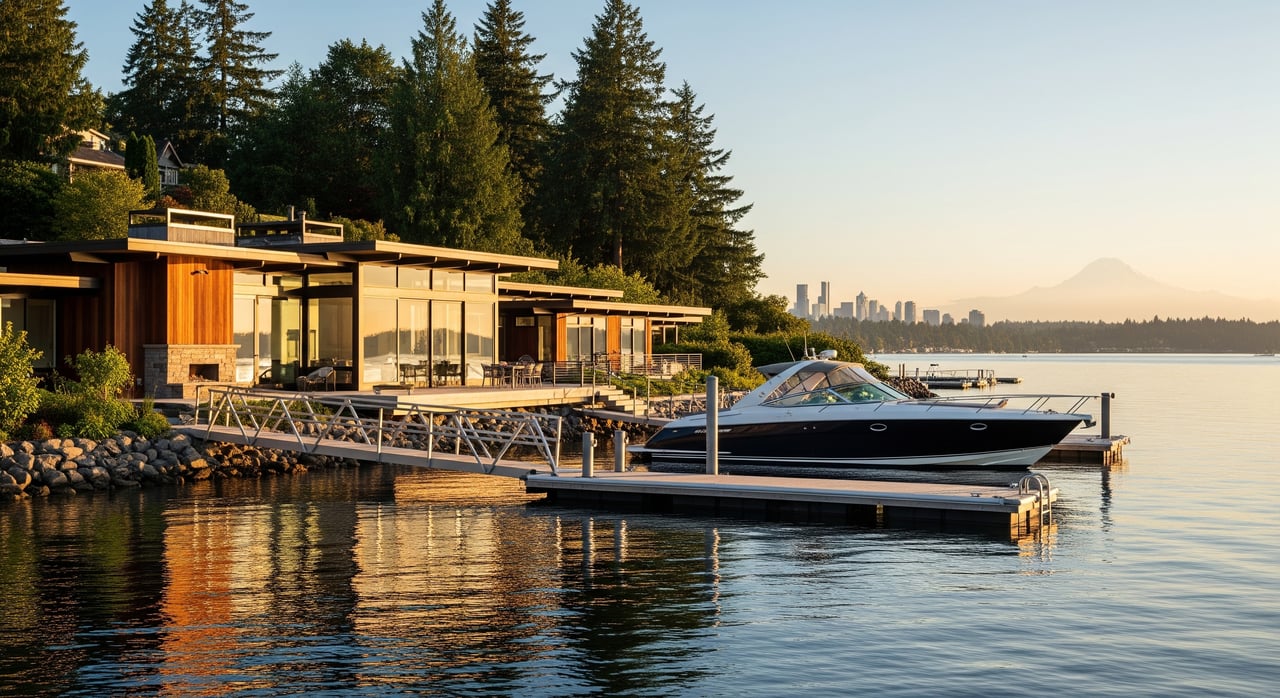
What does everyday life look like when a lakeside trail is your after‑work routine and downtown coffee is a five‑minute stroll? If you are considering the Eastside, Kirkland offers a blend of waterfront access, parks, and easy commutes to major job centers. In this guide, you will learn how different neighborhoods feel, where people spend time, and what to expect for schools, services, and getting around. Let’s dive in.
Where Kirkland fits on the Eastside
Kirkland sits on the eastern shore of Lake Washington in King County. You are just north of Bellevue and west of Redmond, with quick connections to I‑405 and SR 520. Many residents work in Bellevue, Redmond, or Seattle, which makes the city’s location a daily advantage.
Kirkland’s identity centers on its waterfront, a downtown that is easy to walk, and parks that link neighborhoods together. You will find a mix of older single‑family streets, townhomes, condos, and newer mixed‑use projects, especially around Totem Lake.
Neighborhood snapshots
Every area has a different rhythm. Here is how the main spots feel day to day.
Downtown and the Waterfront
Downtown is the civic heart with cafés, boutiques, and shoreline parks. You might start the day with a latte and a walk along Marina Park, then meet friends for dinner with lake views. Housing near the water leans toward condos and apartments, with older single‑family homes a few blocks inland.
Juanita
Centered around Juanita Beach Park, this area feels more suburban. Daily life often revolves around park time, casual dining, and local errands. Housing includes many single‑family homes plus some townhomes and condos near the commercial core.
Totem Lake
Totem Lake has transformed into a mixed‑use hub for shopping and dining. It is more car‑oriented than downtown, though new projects have improved walkability. Many newer apartments and condos sit close to retail, and the Cross Kirkland Corridor trail connects you to other neighborhoods.
Rose Hill and Finn Hill
These hillside neighborhoods are largely residential with a quieter pace. You will see mid‑century homes on larger lots and tree‑lined streets. Most errands are a short drive, and parks are a regular weekend stop.
Moss Bay and Houghton
These areas sit between downtown and residential hills. They keep you close to the lake without the busiest foot traffic. Expect a mix of older homes and newer infill, plus quick access to dining and waterfront paths.
Parks, waterfront, and trails
Life in Kirkland often starts at the lake. Public beaches, marinas, and shoreline parks make warm months feel like a staycation. You can find park maps, beach details, and moorage updates through the City of Kirkland parks and marina information.
Trails matter year round. The Cross Kirkland Corridor is a multi‑use path on a former rail line that links neighborhoods for walking, running, and biking. You are also a short drive to regional trail systems and Bridle Trails State Park.
Dining, shopping, and events
Downtown clusters bistros, coffee shops, and small galleries around the waterfront. Totem Lake is great for everyday errands and larger retailers, while Juanita offers casual dining near the beach. Weekends often include seasonal markets and outdoor concerts.
To see what is happening now, check the Kirkland Downtown Association event calendar for festivals, markets, and community gatherings.
Schools and education
Most addresses in Kirkland are served by the Lake Washington School District. Attendance zones vary by address, so you should verify a specific home’s assignment on the district site. Many buyers consider school boundaries early in their search.
If you want to go deeper on programs and enrollment timelines, start with the Lake Washington School District.
Healthcare and essential services
Kirkland’s EvergreenHealth hospital campus provides emergency and specialty care within the city. Having major medical nearby is a meaningful benefit for many households. City utilities, library services, and parks programs are widely used and easy to access online.
Learn more about services and providers at EvergreenHealth hospital campus.
Getting around and the commute
You will rely on I‑405 for north–south travel on the Eastside and SR 520 to reach Seattle. Downtown streets are walkable, but many neighborhoods are car‑dependent for daily errands.
Transit options include King County Metro service to Bellevue, Seattle, and nearby cities and Sound Transit express routes along major corridors. Kirkland does not have a Link light‑rail station at this time, so most riders connect by bus.
Housing styles and everyday tradeoffs
You will find a wide mix: waterfront condos and townhomes, mid‑century single‑family homes, and newer apartments near downtown and Totem Lake. Living close to the water and downtown boosts walkability and views, though homes often have smaller yards and higher prices. Farther out, you get more space and privacy, balanced by more driving for errands and dining.
If you are comparing condos with single‑family homes, factor in HOA rules and fees, parking allocations, and maintenance differences. For waterfront or view properties, plan for potential premium pricing.
Weather and the seasons
Kirkland has a classic Pacific Northwest climate. Winters are mild and wet, which shapes commute routines and outdoor plans. Summers are warm and often dry, and the waterfront becomes a daily destination for swimming, strolling, and dining outside.
Weekend life and nearby adventures
On warm days, you might paddleboard in the morning, run or bike the Cross Kirkland Corridor after lunch, then meet friends for dinner downtown. In cooler months, indoor arts events, classes, and cafés keep things lively. You are also well placed for Eastside wine country visits and quick day trips to foothill trails.
Is Kirkland a fit for you?
Choose downtown or Moss Bay if you want to walk to the lake and dinner. Pick Totem Lake if you want newer apartment or condo options close to shopping. Look at Juanita, Rose Hill, or Finn Hill if you prefer more space and a quieter street scene.
If you are weighing these tradeoffs, connect with a local advisor who knows the blocks as well as the market data. When you are ready, reach out to Carla Marsh for a friendly, no‑pressure consultation tailored to your goals.
FAQs
What is the commute like from Kirkland to Bellevue, Redmond, and Seattle?
- Most drivers use I‑405 for Bellevue and Redmond or SR 520 for Seattle, and bus riders connect via King County Metro service and Sound Transit express routes; check real‑time apps for current travel windows.
Which school district serves most Kirkland addresses?
- Most homes fall within the Lake Washington School District, though boundaries vary, so verify by exact address with the district.
How walkable is Kirkland day to day?
- Downtown and the waterfront are very walkable, and the Cross Kirkland Corridor links neighborhoods, while many hillside areas remain more car‑dependent.
Where can I find current events and community activities?
- See the Kirkland Downtown Association event calendar for festivals, markets, and concerts, then confirm details on the City’s official listings.
What parks and beaches can I use in Kirkland?
- The city maintains lakeside parks, beaches, and marinas, and you can get maps and updates from the City of Kirkland parks and marina information.
How would you describe Kirkland’s overall lifestyle?
- It blends a relaxed waterfront vibe with commuter convenience, varied neighborhoods, and active parks and trails; see the U.S. Census Bureau QuickFacts for current demographic context.