If you are thinking about living in Redmond, one question matters fast: do you want an urban, transit-connected lifestyle, or a quieter residential setting just minutes away? That choice is what makes Redmond so appealing. You can be close to light rail, parks, shopping, and trails in Downtown Redmond, then step into nearby neighborhoods with a different pace and housing mix. This guide will help you understand how Downtown Redmond and surrounding areas fit together so you can narrow down what feels right for you. Let’s dive in.
Downtown Redmond at a Glance
Downtown Redmond is the city’s urban center and one of its two designated regional growth centers. According to the City of Redmond, it is home to nearly 6,000 residents and more than 10,000 jobs, with wide sidewalks, frequent bus service, an urban trail, parks, shopping, dining, services, and mixed-use housing.
That mix matters if you want convenience in your day-to-day routine. Downtown is designed to be pedestrian-oriented and connected to transit, which gives it a more complete, walkable feel than a single retail district. You are not just choosing a place to shop or eat. You are choosing a neighborhood where daily errands, commuting, and recreation can be part of the same area.
Transit and Getting Around
A major update for Downtown Redmond is the opening of Downtown Redmond Station on Sound Transit’s 2 Line, which began passenger service on May 10, 2025. That adds direct light rail access to the downtown core, alongside bus and bike connections.
For buyers who care about commute options or car-light living, this is a meaningful feature. The city also notes that Town Center is intended to connect with the rest of Downtown and Marymoor Park through active transportation, so mobility is built into how the area is planned.
Parking is still part of the picture, but it works more like an urban center than a large suburban shopping area. Downtown streets generally have 2-hour parking limits from 9:00 a.m. to 9:00 p.m. Monday through Saturday, and the city operates public parking areas including the Redmond Central Connector lot, where the first two hours are free.
Parks and Trails Near Downtown
One of Downtown Redmond’s biggest strengths is how easily city living connects to outdoor space. You do not have to choose between an urban setting and access to trails or green space.
Downtown Park
Downtown Park is the civic green space at the heart of Downtown. The City of Redmond says this two-acre park includes a great lawn, splash pad, pavilion, gardens, plaza, dining grove, and restrooms.
Its location also makes it especially useful. It sits one block north of the Redmond Central Connector and close to transit, which means it functions as both a gathering space and an easy stop during a walk, bike ride, or errand run.
Redmond Central Connector and Trail Access
Redmond’s trail network is a major part of daily life in the area. The city says Redmond has 59 miles of public trails, including the 3.9-mile Redmond Central Connector corridor linking Redmond Town Center, historic Downtown, Grass Lawn, and the Willows business district.
The city also highlights a 2.7-mile Downtown Park Tour Loop and a 3-mile Sammamish River Trail and Redmond Central Connector loop. These routes support walking, jogging, and cycling, and they help explain why many people see Redmond as a place where outdoor access is part of everyday living.
Marymoor Park Connections
Just southeast of Downtown, Marymoor Park expands your outdoor options in a big way. King County describes Marymoor as offering athletic fields, walking and biking trails, nature trails, a rowing boathouse, a climbing wall, a large community garden, the state’s only velodrome, and a 42-acre off-leash dog park.
The park is also better connected than many people realize. King County notes that the Marymoor Station Trail provides a direct path from light rail to the north end of the park, and the Bear Creek Trail Bridge connects the East Lake Sammamish Trail to the Redmond Central Connector Trail.
Shopping, Dining, and Daily Convenience
Downtown Redmond works well for people who want more than a residential address. It is planned as a mixed-use district with places to shop, dine, work, and spend time outdoors, all in close reach.
Redmond Town Center
Redmond Town Center is the area’s main shopping and dining anchor. Its official site says it offers shopping, dining, fitness, healthcare, hotels, and entertainment, with restaurants and bars that include extended hours.
That broad mix supports everyday convenience as much as leisure. If you want a neighborhood where you can combine errands, meals, appointments, and downtime in one area, Town Center plays an important role in that experience.
A Complete Mixed-Use District
The City of Redmond describes the Downtown Core and Town Center as areas that support cultural, entertainment, educational, retail, restaurant, office, service, and residential uses. The focus is on pedestrian-friendly circulation and connections to transit and Marymoor Park.
In practical terms, that means Downtown Redmond is not built around a single use. It is designed to function as a full neighborhood environment, which is a key difference if you are comparing it to more traditional residential areas nearby.
Housing in Downtown Redmond
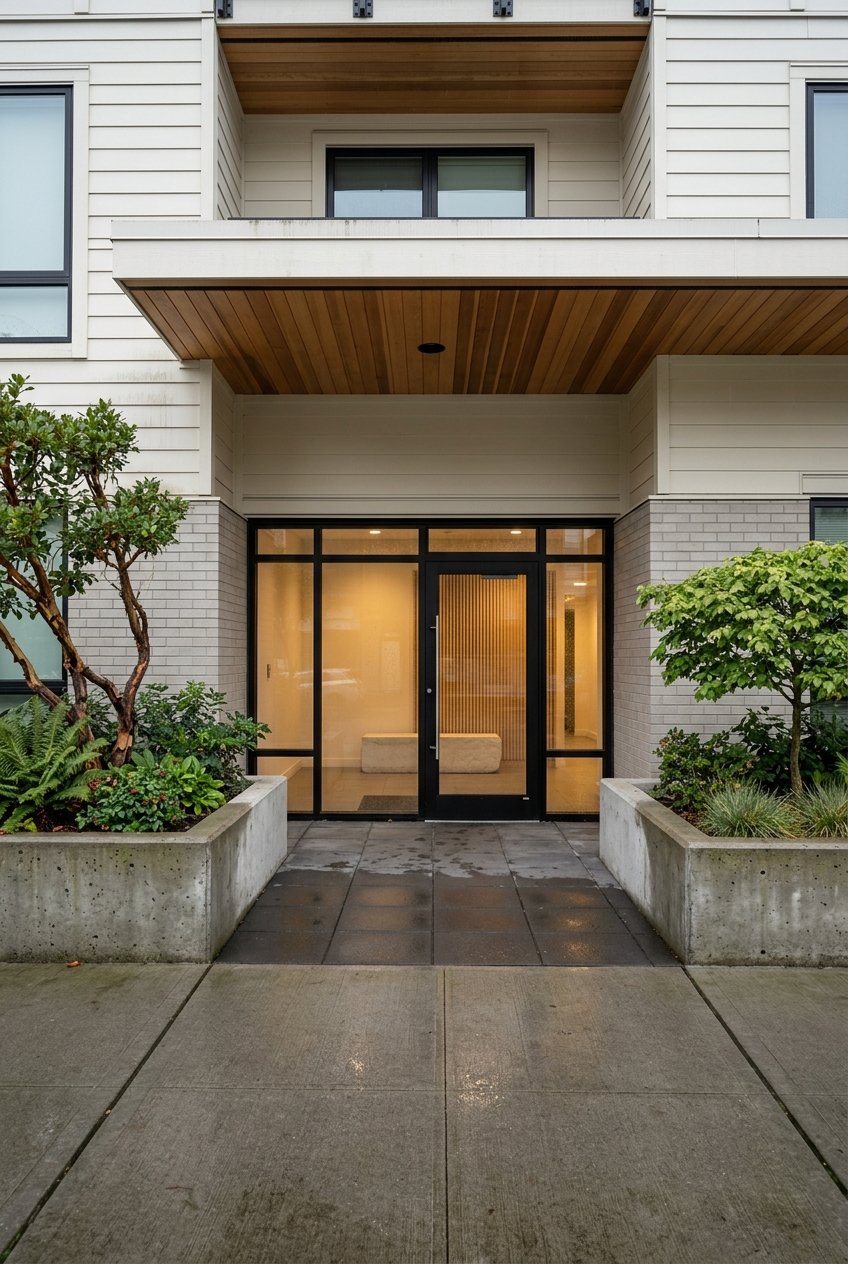
If you want a home close to transit, restaurants, trails, and daily services, Downtown Redmond is typically where you will find the highest concentration of apartments, condos, and mixed-use residential options.
The city’s zoning states that the Downtown Core allows low- and mid-rise residential, office, and mixed-use buildings. Town Center supports mid- to high-rise commercial, office, residential, and mixed-use development. Downtown Edge is intended as a transition area, with a quieter residential character and a variety of middle-density housing types.
That pattern fits the city’s long-term growth strategy. Redmond says about 70% of future growth is expected to go into the urban centers and transit-oriented development areas in Downtown, Marymoor, and Overlake, which helps explain why denser housing and mixed-use development are concentrated in these locations.
Nearby Neighborhoods to Know
Once you move beyond the downtown core, Redmond changes quickly. Nearby neighborhoods offer different streetscapes, housing types, and day-to-day rhythms, while still keeping you close to Downtown amenities.
Education Hill
Education Hill is centrally located and borders Downtown on the south. The City of Redmond describes it as a mature, largely residential neighborhood where many residents value walkability and nearby schools.
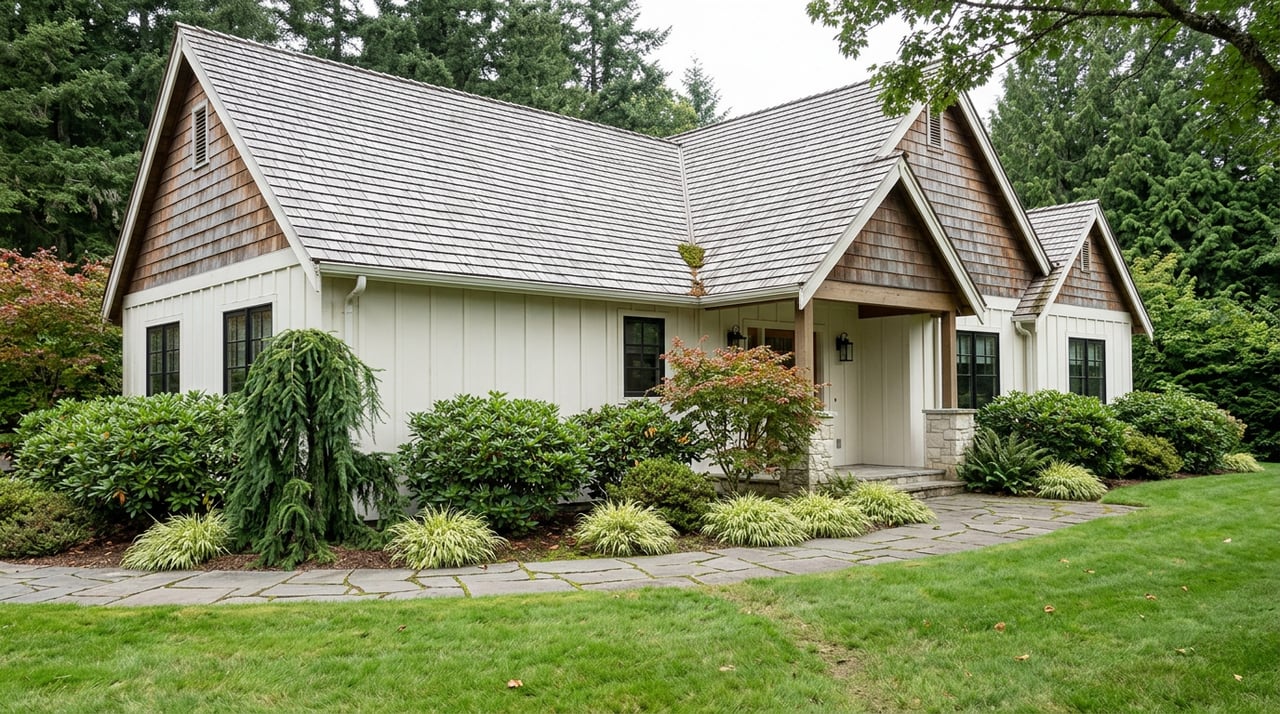
If you want to stay close to Downtown but prefer a more traditional residential setting, this is one of the first areas many buyers explore. Its central location can make it appealing if you want easier access to both neighborhood streets and city amenities.
Grass Lawn
Grass Lawn is another mature and highly walkable neighborhood. The city says it has mostly residential zoning, low- to moderate-density houses, and a notable concentration of apartments and condominiums on the east side.
That gives Grass Lawn a broader housing mix than some buyers expect. If you want options that may include detached homes as well as condos or apartments, this area can offer an interesting middle ground.
Willows and Rose Hill
Willows and Rose Hill includes a blend of office, industrial, retail, and residential uses, especially along Willows Road. This mix creates a different feel from both the downtown core and the more purely residential neighborhoods.
For some buyers, that overlap is a benefit because it can put work, services, and housing in closer proximity. For others, it simply offers another type of Redmond setting to consider during your search.
Southeast Redmond
Southeast Redmond combines business park, industrial, retail, and moderate-density residential areas. Its western edge is defined by Marymoor Park and SR 520.
This area can be especially relevant if you want proximity to Marymoor’s outdoor amenities. It also shows how Redmond blends residential areas with employment and recreational spaces rather than separating them completely.
Overlake
Overlake is Redmond’s other urban center. The city describes it as an area with transit-oriented development around light rail stations and a mix of housing, retail, office, and other urban uses.
If Downtown Redmond feels appealing but you want to compare another transit-focused district, Overlake is a logical place to include in your search. It reflects the same larger city trend toward concentrated growth around transportation and mixed-use development.
How Redmond’s Housing Mix Shapes Your Search
One of Redmond’s biggest advantages is range. You can look at condos and apartments near transit in Downtown, consider middle-density options in transition areas, or explore neighborhoods with more conventional residential streets a short distance away.
The city also supports middle housing forms such as townhouses, cottage housing, duplexes, triplexes, fourplexes, stacked flats, and courtyard apartments as part of its broader housing strategy. That matters because it adds more ways to live in Redmond beyond just high-density urban homes or detached houses.
If you are relocating, upsizing, downsizing, or simply trying to balance commute needs with lifestyle preferences, this variety can make Redmond a strong fit. The key is understanding which part of the city lines up best with how you want to live day to day.
What Buyers and Sellers Should Notice
For buyers, Downtown Redmond stands out if you want access to light rail, trails, parks, and a mixed-use environment with housing close to daily conveniences. Nearby neighborhoods may offer a different pace, a different housing mix, or a stronger preference for residential streets while keeping Downtown within easy reach.
For sellers, location within Redmond can shape how your home is positioned in the market. A downtown condo, a townhome near a trail connection, or a single-family home in a mature residential neighborhood may each appeal to different buyers for different reasons.
That is where local guidance matters. Understanding how people compare Downtown, Education Hill, Grass Lawn, Overlake, or areas near Marymoor can help you evaluate value, competition, and the features that deserve the most attention when you buy or sell.
If you are considering a move in Redmond, working with an experienced Eastside team can help you sort through these neighborhood differences with more confidence. Whether you are buying your next home or preparing to sell, Carla Marsh and Pacific Northwest Partners offer local insight, personalized guidance, and a consultative approach designed to help you move forward with clarity.
FAQs
What is Downtown Redmond like for everyday living?
- Downtown Redmond is a mixed-use urban center with housing, shopping, dining, services, parks, trails, bus service, and direct light rail access through Downtown Redmond Station.
What types of homes are common in Downtown Redmond?
- Downtown Redmond is generally the best place to look for apartments, condos, and other mixed-use or mid-rise housing, with some transition areas that include middle-density options.
Which Redmond neighborhoods are closest to Downtown?
- Nearby areas include Education Hill, Grass Lawn, Willows and Rose Hill, Southeast Redmond, and Overlake, each with its own mix of residential, commercial, and transit-related features.
How does Marymoor Park connect to Downtown Redmond?
- Marymoor Park sits just southeast of Downtown, and connections include the Marymoor Station Trail, the Redmond Central Connector Trail, and links to the East Lake Sammamish Trail.
Is Downtown Redmond easy to get around without driving everywhere?
- Downtown Redmond is planned around pedestrian-friendly streets, transit-oriented development, bus service, bike connections, and light rail access, which can support a more car-light lifestyle.
What should homebuyers compare between Downtown Redmond and nearby neighborhoods?
- You will want to compare housing type, access to transit, trail and park connections, daily conveniences, and whether you prefer a more urban setting or a more traditional residential environment.